Indian Railways ramps up historic recruitment drive: Over 1.2 lakh vacancies to be filled by 2025
By | Jobs | 06-Dec-2025 16:06:46
News Story
The Indian Railways is embarking on one of its most ambitious recruitment campaigns in recent history, with over 1,20,000 vacancies slated for filling across 2024 and 2025.
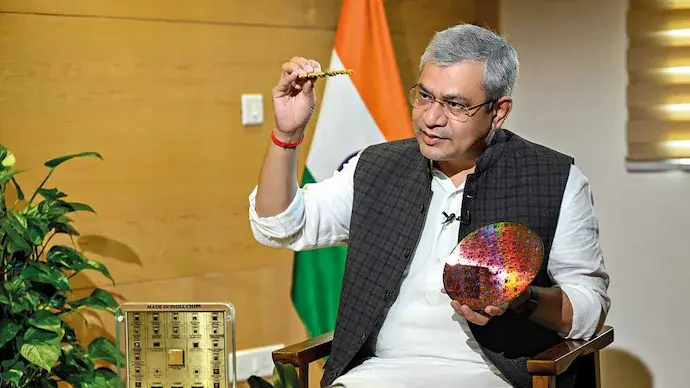
Union Railway Minister Ashwini Vaishnaw revealed this mammoth hiring spree
during the Winter session of Parliament, underscoring a sustained effort to
modernize and expand the rail workforce amid evolving operational demands.
The recruitment drive covers a staggering array
of roles—from Assistant Loco Pilots and Junior Engineers to RPF Sub-Inspectors
and paramedical staff—reflecting the railways’ critical need to staff a
sprawling network that demands cutting-edge skills, safety expertise, and
technological adaptability.
Key
highlights of the recruitment push:
·
More than 92,000 posts were notified in 2024
alone through ten Centralised Employment Notifications (CENs), spanning
technical, non-technical, safety, and frontline roles.
·
Major examination phases, including
computer-based tests and aptitude evaluations, have been successfully
completed, with robust participation from candidates across India.
·
Physical Efficiency Tests for over 4,000 RPF
constable vacancies and recruitment for Level-1 posts covering 32,000+ roles
commenced in November 2025 across 140 cities.
·
Over 23,000 candidates have been finalized for
crucial safety and operational positions, reinforcing the railways’ commitment
to secure and efficient functioning.
·
For 2025, seven new notifications have already
announced 28,463 vacancies, continuing the momentum across diverse categories.
Vaishnaw emphasized that this hiring surge
marks a historic scale-up compared to the previous decade, with 5.08 lakh jobs
created since 2014—a sharp rise from 4.11 lakh in the decade prior. To improve
transparency and candidate experience, the railways introduced an annual
recruitment calendar starting in 2024, offering clear timelines and multiple
opportunities for aspirants nationwide.
In a notable achievement, the ministry
confirmed that the recruitment process has so far remained free from any
reported leaks or malpractice, reflecting stringent adherence to examination
protocols.
While the railways continue to meet urgent
operational needs with contractual hires, these remain temporary measures, with
no claims to long-term employment or regularization.
This massive recruitment drive not only aims to fill critical vacancies but signals a transformative shift toward a more skilled, efficient, and safety-conscious railway workforce — a cornerstone for India’s broader infrastructure ambitions.